Why Custom Blending is Essential for Competitive Packaging
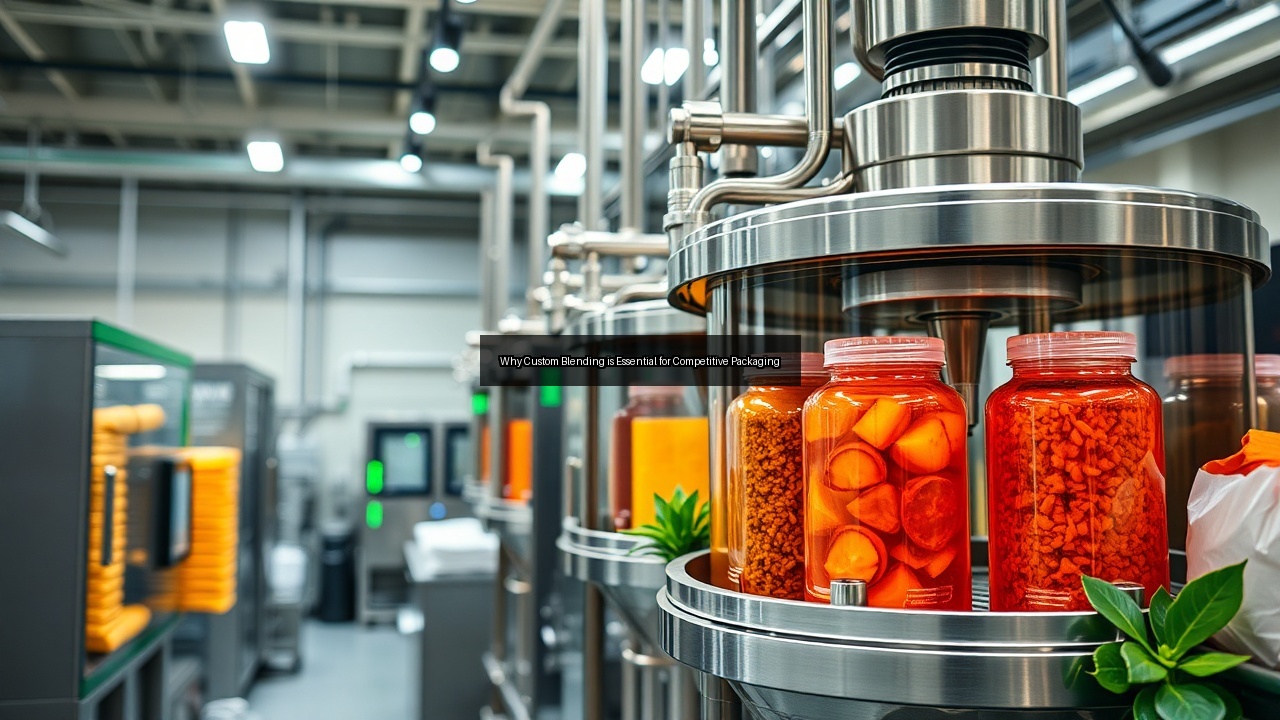
The Importance of Custom Blending in Food and Beverage Packaging
Understanding Food Ingredients and Their Role
Custom blending solutions play a crucial role in the food and beverage industry, particularly when it comes to the selection and combination of food ingredients. Each ingredient serves a specific purpose, contributing to flavor, texture, and nutritional value. For instance, juice concentrates not only enhance the taste of beverages but also add essential nutrients. Understanding how these ingredients interact is vital for creating a product that meets both consumer expectations and regulatory standards.
Food manufacturers must consider the characteristics of each ingredient. The right blend can elevate a product, making it unique in a crowded market. Additionally, consumers today seek transparency about what they consume. Custom blending allows manufacturers to create distinct flavors while ensuring that the final product adheres to health guidelines set by organizations like the USDA and GFSI. By focusing on quality and sourcing high-grade ingredients, companies can build trust and loyalty among consumers, ultimately driving sales and growth.
The Impact of Custom Blending on Flavor Profiles
Flavor profiles define the overall experience of a food or beverage product. Custom blending solutions enable manufacturers to craft flavors that resonate with their target audience. Consider the blending of fruit juices; the right combination can create a refreshing beverage that stands out on store shelves. This process requires a precise understanding of taste chemistry and consumer preferences, as even small adjustments can significantly impact the final product.
Incorporating innovative flavoring techniques can also enhance the appeal of a product. For example, blending natural flavors with innovative extraction methods can yield unique taste experiences that entice consumers. This level of customization goes beyond simple mixing; it involves a deep dive into the science behind flavor development. Such attention to detail not only satisfies current market demand but also paves the way for future innovations, setting a brand apart from competitors.
Ensuring Quality and Safety with GFSI and USDA Standards
Quality and safety in food and beverage packaging depend heavily on adherence to industry standards. Organizations like the GFSI and USDA set rigorous guidelines to ensure that products are safe for consumption and consistently meet quality benchmarks. Custom blending solutions must comply with these standards to maintain market viability.
Manufacturers must implement robust quality control processes throughout the blending operation. This includes testing ingredients for contaminants, monitoring blending equipment, and ensuring that the final product is stable and safe for consumers. By prioritizing these safety measures, companies not only protect their customers but also safeguard their brand reputation. In a world where consumers are increasingly concerned about food safety, demonstrating commitment to high standards can significantly strengthen a brand’s position in the marketplace.
Innovations in Custom Blending Solutions
Advancements in Flexible Packaging Technologies
Flexible packaging technologies have transformed the food and beverage sector, offering new opportunities for custom blending solutions. This innovation allows for the creation of lightweight, versatile packaging that preserves product freshness while providing convenience for consumers. Flexible packaging not only enhances shelf appeal but also reduces waste, aligning with sustainability efforts that many consumers prioritize today.
Custom blending services benefit from these advancements, as they can offer tailored solutions that meet specific consumer needs. For instance, brands can create single-serve packages of blended juices, catering to on-the-go lifestyles. This level of customization facilitates market differentiation, enabling brands to stand out in a competitive landscape. As technology continues to evolve, the potential for innovative packaging solutions grows, allowing food manufacturers to explore new avenues for product presentation and consumer engagement.
The Science Behind Effective Blending Solutions
The art of blending food ingredients is deeply rooted in science. Understanding the chemical properties of various ingredients helps manufacturers create effective blends that maintain flavor and functionality. Custom blending solutions rely on precise measurements and techniques to achieve the desired outcome, whether it’s an emulsified sauce or a perfectly balanced beverage.
Moreover, the science of blending extends to understanding how certain ingredients interact under different conditions. Temperature, humidity, and processing methods all play a role in the final product’s quality. By leveraging scientific principles, manufacturers can optimize their blending processes, resulting in blends that are not only flavorful but also stable over time. This scientific approach aids in developing unique product offerings that capture consumers’ attention and fulfill their preferences.
Custom Blends for Unique Product Offerings
Custom blends allow manufacturers to create unique product offerings that cater to niche markets. With consumer preferences shifting towards personalized and innovative food and beverage options, businesses can leverage custom blending solutions to meet these demands. For example, a brand might offer a line of organic, plant-based beverages that feature unique flavor combinations, attracting health-conscious consumers.
This customization extends beyond flavor; it can also involve the incorporation of superfoods, functional ingredients, or allergen-free options. Such tailored solutions not only fulfill consumer desires but also enhance brand loyalty. When customers feel that a product aligns with their values and preferences, they are more likely to choose it over competitors. This strategic focus on unique blends can significantly impact a company’s market presence and profitability.
Optimizing Packaging with Custom Blending Services
Batch Production Strategies for Efficient Manufacturing
Efficient manufacturing processes hinge on effective batch production strategies. Custom blending solutions facilitate scalability, allowing companies to meet fluctuating consumer demand without sacrificing quality. By optimizing batch sizes, manufacturers can streamline production workflows, reduce waste, and ensure consistent product availability.
Implementing batch production strategies also involves careful planning and resource management. Companies must assess inventory levels, ingredient sourcing, and production schedules to maximize efficiency. Additionally, integrating technology can enhance tracking and reporting, providing real-time insights into production performance. This level of optimization not only boosts productivity but also contributes to cost savings, making custom blending services a vital component of modern manufacturing practices.
Primary vs. Secondary Packaging: Choosing the Right Approach
Choosing the right packaging approach—primary or secondary—plays a significant role in the success of custom blended products. Primary packaging directly holds the product, while secondary packaging serves as a protective layer and facilitates branding. Each type has its advantages, and the decision often depends on the nature of the product and target market.
For instance, beverages often utilize primary packaging that is both visually appealing and functional. Custom blends require packaging that preserves freshness and flavor while attracting consumers’ attention. Secondary packaging can reinforce brand messaging and provide additional protection during distribution. By strategically selecting both primary and secondary packaging, manufacturers can create a cohesive brand identity that resonates with consumers and enhances the overall product experience.
The Role of Custom Blending in Beverage Packaging
Custom blending solutions are particularly impactful in beverage packaging. The beverage industry thrives on innovation and consumer engagement, making it essential for products to stand out through unique flavors and packaging. Custom blends allow manufacturers to create signature drinks that reflect current trends, such as low-sugar or functional beverages enriched with vitamins and minerals.
Moreover, the packaging must complement the beverage's characteristics. For example, carbonated drinks require packaging that can withstand pressure, while juices need containers that protect against light and oxygen. Custom blending solutions ensure that both the product and its packaging work in harmony, enhancing shelf life and consumer appeal. By focusing on these elements, beverage manufacturers can optimize their offerings, ensuring that every detail—from flavor to packaging—meets consumer expectations.