Unlocking the Secrets of Electric Motor Repair for Maximum Efficiency
Understanding Electric Motors and Their Importance in Manufacturing
Types of Electric Motors Used in Industry
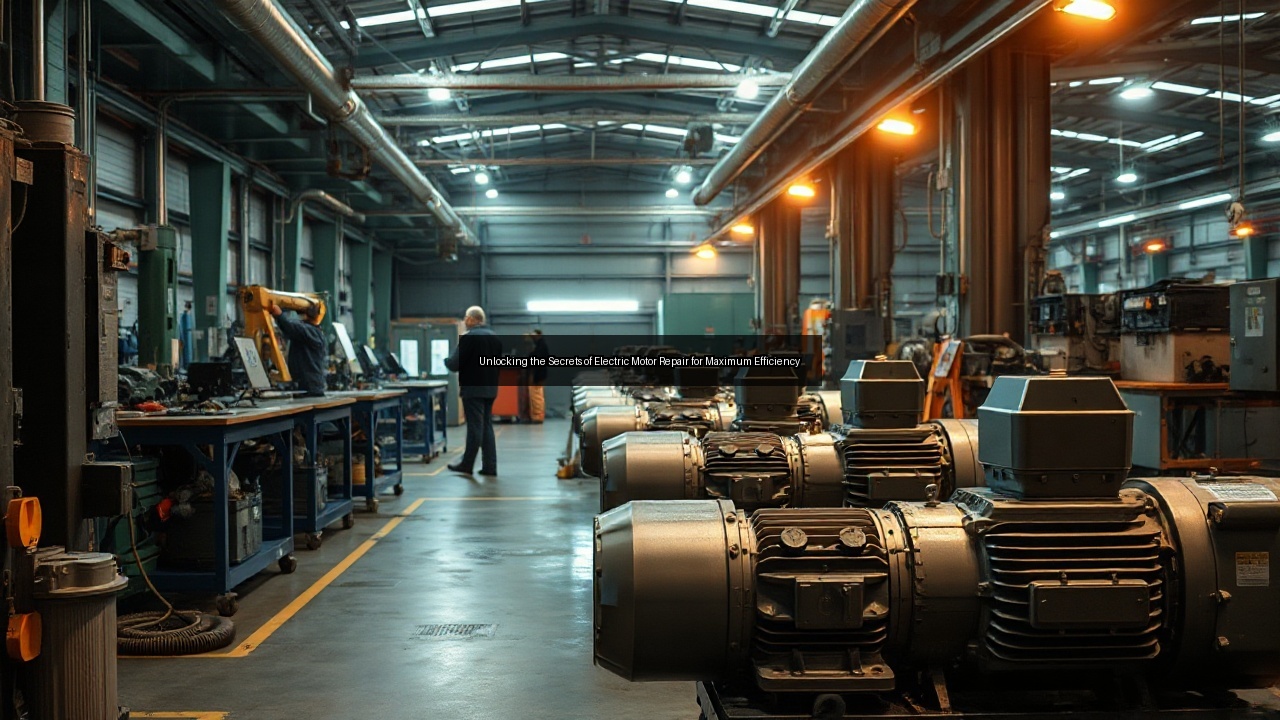
Electric motors play a pivotal role in the manufacturing sector, driving machinery and automation systems that enhance efficiency and productivity. Various types of electric motors, including AC (Alternating Current) and DC (Direct Current) motors, serve different applications. Induction motors are the most commonly used AC motors, known for their robustness and efficiency. Synchronous motors, on the other hand, maintain constant speed regardless of load, making them ideal for high-precision applications. DC motors, including brushed and brushless variants, offer precise control of speed and torque. Understanding these types is crucial for effective electric motor repair and maintenance, ensuring that manufacturers can swiftly address performance issues and minimize downtime.
Role of Electric Motors in Automation and Reliability
Electric motors are the backbone of automation in modern manufacturing environments. They drive conveyors, pumps, fans, and robotic arms, facilitating seamless production processes. Reliability is paramount in these systems; any failure can disrupt operations and lead to significant financial losses. Therefore, maintaining electric motors in peak condition through regular repair and maintenance is vital. By ensuring that electric motors operate efficiently, manufacturers can achieve higher production rates, reduce energy consumption, and extend the lifespan of their equipment. A focus on electric motor repair not only enhances performance but also contributes to the overall reliability of the manufacturing process.
Common Applications of Electric Motors in Manufacturing
Electric motors find applications across a wide range of manufacturing processes. From textile machines to food processing equipment, these motors power various tools and machinery. In automotive manufacturing, electric motors drive assembly line robots, ensuring precision and speed. In the chemical industry, they operate electric motor service mixers and agitators. Even in the production of consumer goods, electric motors are integral to conveyor systems and packaging machinery. This versatility highlights the importance of effective electric motor repair and maintenance, which keeps these applications running smoothly and efficiently.
The Electric Motor Repair Process: From Troubleshooting to Restoration
Identifying Common Issues in Electric Motors
Recognizing the symptoms of electric motor failure is the first step in the repair process. Common issues include overheating, unusual noises, and vibrations, which can indicate mechanical or electrical problems. Overheating often results from excessive load, poor ventilation, or faulty bearings, while strange noises might suggest misalignment or worn components. Vibrations can point to imbalance, misalignment, or issues with the motor’s rotor. Identifying these common problems early allows for timely electric motor repair, preventing further damage and ensuring smooth operation. Regular monitoring of motor performance can aid in spotting these issues before they escalate.
Step-by-Step Guide to Electric Motor Troubleshooting
Troubleshooting an electric motor involves a systematic approach to identify and resolve issues. Start by conducting a visual inspection to check for obvious signs of wear or damage. Next, use a multimeter to test electrical components, including windings and connections, for continuity and resistance. Assess the motor's power supply, ensuring it meets the specifications. If the motor is equipped with control systems, verify their functionality. Use vibration analysis to detect mechanical issues that may not be visible. Document all findings to create a comprehensive overview of the motor’s condition, which is essential for effective electric motor restoration.
Restoration Techniques for Enhanced Performance
Restoring an electric motor can significantly enhance its performance and extend its lifespan. Common restoration techniques include rewinding the motor's coils, replacing worn bearings, and realigning components. After performing repairs, consider applying protective coatings to prevent corrosion and ensure longevity. Testing the motor after restoration is crucial to confirm that it operates within specified parameters. This validation not only assures performance but also provides peace of mind to manufacturers relying on the motor for critical operations. Implementing these restoration techniques can lead to improved energy efficiency and reduced operational costs in the long run.
Preventative Maintenance Strategies for Electric Motors
Importance of Regular Maintenance for Electric Motor Longevity
Regular maintenance is essential for the longevity of electric motors. Scheduled inspections help identify potential issues before they lead to costly failures. Maintenance tasks may include cleaning, lubrication, and checking for wear on critical components electric motor service such as gears and bearings. Establishing a proactive maintenance schedule reduces the likelihood of unexpected breakdowns and enhances the overall reliability of manufacturing operations. This approach not only saves time and money but also contributes to a safer working environment by minimizing the risks associated with motor failures. Prioritizing electric motor maintenance ultimately supports sustained productivity and efficiency in manufacturing processes.
Implementing Vibration Analysis in Maintenance Routines
Vibration analysis serves as a powerful tool in the preventative maintenance of electric motors. This technique detects anomalies in motor operation, helping to identify problems such as misalignment, imbalance, or bearing failure. By integrating vibration analysis into regular maintenance routines, manufacturers gain valuable insights into motor health, allowing for timely interventions before failures occur. Regular data collection and analysis can highlight trends and predict potential issues, significantly enhancing maintenance strategies. This proactive approach not only prevents costly downtime but also fosters a culture of reliability and efficiency within manufacturing operations.
Best Practices for Gear and Switchgear Maintenance
Gears and switchgear play crucial roles in the effective operation of electric motors. Regular maintenance of gears ensures smooth operation and prevents wear that can lead to motor failure. Lubrication is critical; use the appropriate lubricant and follow manufacturer guidelines to avoid issues. Switchgear maintenance involves checking connections, cleaning contacts, and testing protective devices to ensure operational integrity. Implementing best practices for both gear and switchgear maintenance minimizes the risk of equipment failure, thus enhancing the overall efficiency of electric motor systems. A well-maintained switchgear can significantly extend the life of electric motors, providing a solid return on investment.
Choosing the Right Motor Repair Services for Maximum Efficiency
How to Select a Reliable Motor Repair Shop
Selecting a reliable motor repair shop is crucial for ensuring effective electric motor repair. Look for shops that specialize in electric motors and have a proven track record of successful repairs. Evaluate their qualifications and certifications, as these indicate expertise and adherence to industry standards. Customer reviews and testimonials can provide insights into the quality of service offered. Consider the shop's turnaround time and availability of spare parts, as these factors impact your operational efficiency. A reliable repair shop will not only fix problems but also offer preventative maintenance options to enhance motor performance.
Evaluating Motor Repair Services: What to Look For
When evaluating motor repair services, consider several key factors. First, assess their diagnostic capabilities; effective troubleshooting is vital for accurate repairs. Next, examine their repair techniques and technologies; advanced repair methods often lead to better outcomes and longer-lasting solutions. Inquire about warranties or guarantees on repairs, which reflect the shop’s confidence in their work. Additionally, check if they offer follow-up services, such as routine maintenance and performance assessments. A comprehensive motor repair service ensures that electric motors continue to operate at peak efficiency, minimizing the risk of future failures.
The Role of Repair and Maintenance in Enhancing Motor Performance
Repair and maintenance play a crucial role in enhancing electric motor performance. Regular attention to motors ensures that they operate efficiently, reducing energy consumption and prolonging lifespan. Timely repairs address issues before they escalate, preserving the integrity of the motor and the overall system. Maintenance practices such as lubrication, cleaning, and alignment optimize performance, ensuring that motors run smoothly and reliably. By prioritizing repair and maintenance, manufacturers can maximize the efficiency of their electric motors, contributing to greater productivity and reduced operational costs. In the competitive landscape of manufacturing, effective motor care is not just beneficial; it is essential for success.
See Also
- The Impact of Environmental Factors on Electric Motor Performance
- Real-Life Case Studies in Successful Electric Motor Restoration
- The Art of Electric Motor Restoration Techniques You Need to Know
- Top 10 Essential Tips for Preventative Maintenance of Electric Motors
- Electric Motor Repair Innovations You Should Keep an Eye On